Best Lawyer for Cheque Bounce Cases in New Delhi – Advocate Siddharth Nair
A cheque is more than just a piece of paper—it represents trust between two parties. Whether it's used for a business transaction, repayment of a loan, or payment for services, both parties expect the cheque to be honoured. Unfortunately, when a cheque is returned unpaid, it can lead to financial stress and legal complications.
If you're dealing with a cheque bounce matter in New Delhi, getting the right legal guidance at the earliest stage can make the process much easier. Advocate Siddharth Nair provides legal assistance in cheque dishonour cases, helping both individuals and businesses understand their rights and navigate the legal process with confidence.
Understanding a Cheque Bounce Case
A cheque is said to have "bounced" when the bank refuses to process it and returns it unpaid. While insufficient funds are the most common reason, there are several other situations where a cheque may be dishonoured.
These include:
Insufficient balance in the account
Signature mismatch
Closed or inactive bank account
Payment stopped by the account holder
Incorrect cheque details
Account frozen by the bank
Under Section 138 of the Negotiable Instruments Act, 1881, dishonour of a cheque for legally enforceable debt or liability may result in legal proceedings if the statutory requirements are fulfilled.
How a Cheque Bounce Case Progresses
Although every case has its own facts, the legal process generally follows a structured path.
Dishonour of the Cheque
The process begins when the bank returns the cheque unpaid along with a return memo explaining the reason for dishonour.
Sending a Legal Notice
The payee sends a legal notice demanding payment within the time prescribed under the law.
Waiting for the Response
If payment is not made within the statutory period, legal proceedings may be initiated.
Filing the Complaint
The complaint is filed before the competent Magistrate after completing the necessary legal formalities.
Court Proceedings
The court considers the documents, hears both parties, and decides the matter according to the evidence and applicable law.
Documents Commonly Required
Proper documentation plays an important role in building a strong legal case.
Some commonly required documents include:
Original cheque
Bank return memo
Copy of the legal notice
Postal or courier receipt
Proof of delivery
Bank statements
Agreements or invoices
Payment records
Identity documents
Relevant correspondence
Keeping these documents organised can help streamline the legal process.
About Advocate Siddharth Nair
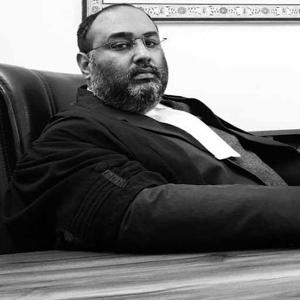
Advocate Siddharth Nair is a legal practitioner in New Delhi who advises clients in civil, criminal, and commercial matters, including cheque bounce cases. He believes that every legal dispute deserves careful attention, honest communication, and a strategy based on the specific facts of the case.
Whether representing an individual, entrepreneur, or business organisation, he works to ensure that clients understand the legal process and are well-prepared at every stage. His practice is built on professionalism, diligence, and a commitment to protecting clients' legal rights.
Conclusion
A cheque bounce dispute can be stressful, but it doesn't have to be overwhelming. Understanding your legal options and seeking timely professional advice can make a significant difference.
If you're looking for the Best Lawyer for Cheque Bounce Cases in New Delhi, Advocate Siddharth Nair provides dedicated legal assistance with a practical, client-focused approach. From drafting legal notices to representing clients in court, he aims to help individuals and businesses navigate cheque dishonour cases efficiently while protecting their legal interests.

Write a comment ...